Activating the Poetic Muscle in Children
The piece below is the second part in Shreeya Pradhan’s series on poetry. To read her first blog, “What Poetry Has Meant to Me,” click here.
© Shreeya Pradhan 2026
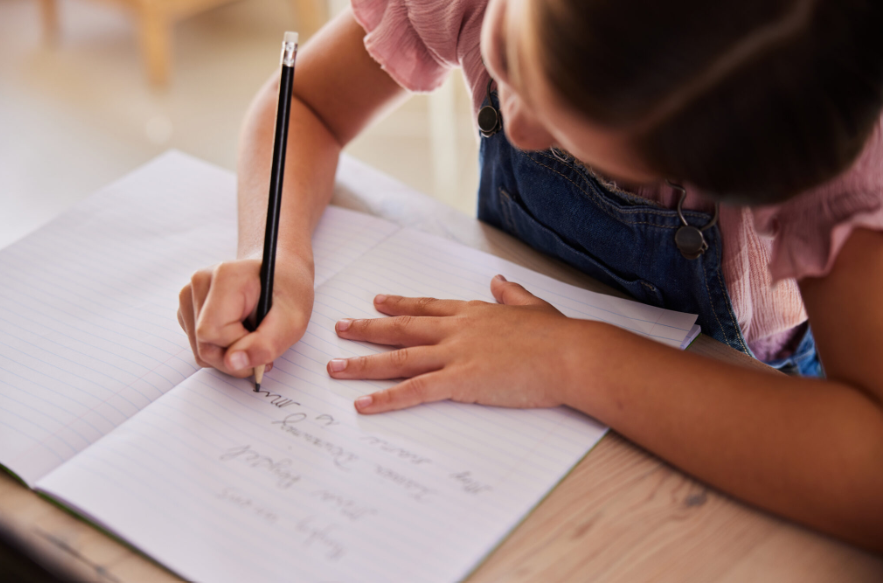
Being a poet myself, loving poetry as a child, and having found a great deal of meaning in it as I grew older, I became curious about what poetry means to children. In particular, I wondered how it might be used as a meaning-making tool in childhood—whether in schools, classrooms, or informal learning spaces. This curiosity led me to begin this modest experiment.
In the spring of 2026, I began working with four- to six-year-olds in an independent preschool in a neighborhood in the Boston area. I was not interested in teaching poetry as something written on paper or something children would have to recite in the traditional sense. I was a lot more curious about whether poetry could become a way of listening, noticing, moving, imagining, and understanding the world around them. Children this young already possess what I think of as “poet muscles.” I wanted to explore what might happen if we just created conditions for those muscles to be exercised and to stretch, perhaps in unanticipated directions. I started by focusing on relationships.
Before launching my specific project, I wanted the children to know who I was and where I had come from. I shared the story of my name before launching my project. I reflected on my name, talking about how each letter happened to carry a small piece of my journey from growing up in India, to moving to California, then Boston. To ground the story visually and connect my experiences to both India and the local environment, I brought in a small toy elephant, a paper snowflake, and some fall leaves.
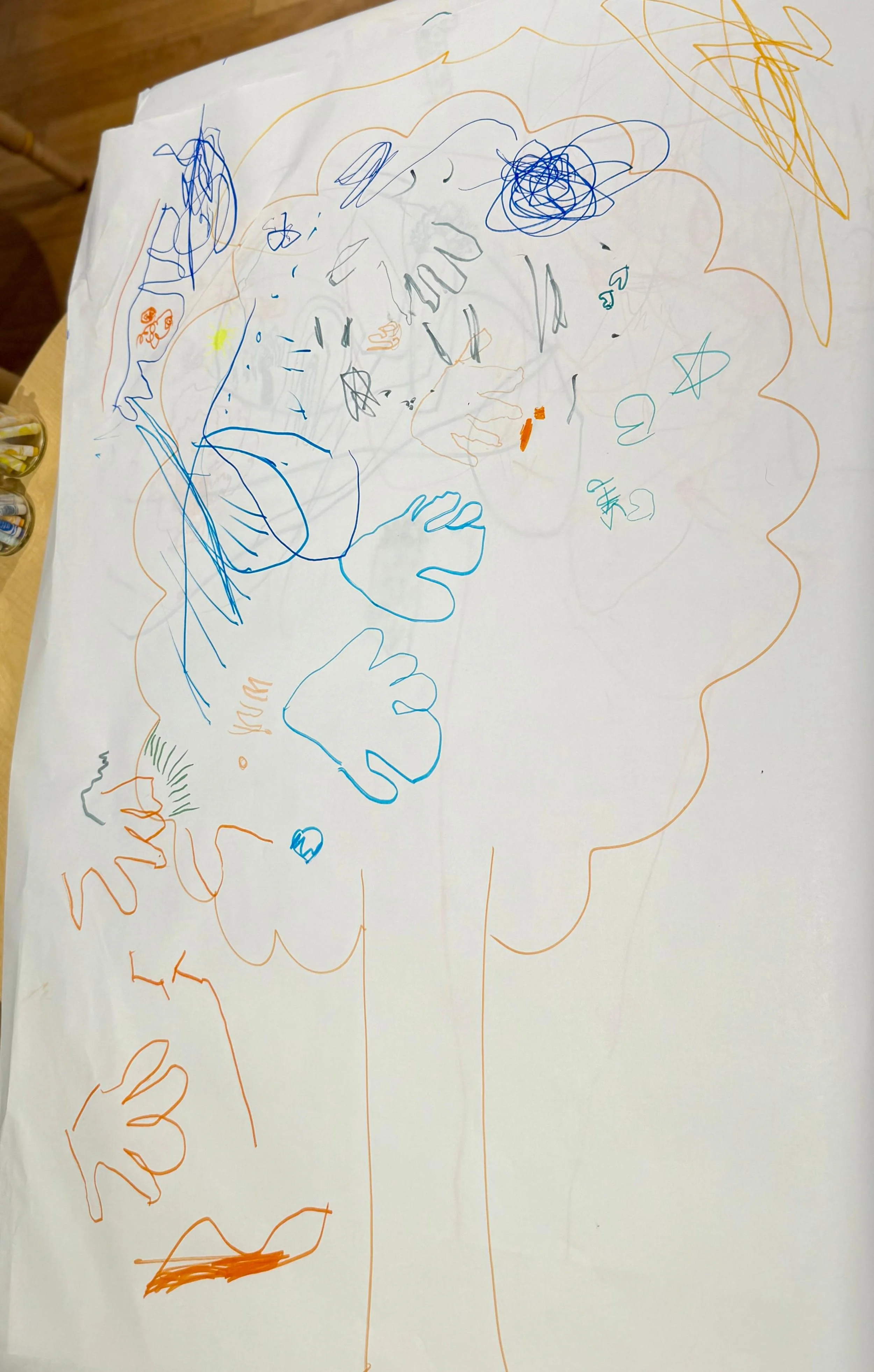
An example of the “PoeTREE” exercise
From there, with little prompting, children began sharing stories about their own names. Some were factual, like how they were named after their aunt’s name; some were funny—a child mentioned that her and her sisters had names that rhymed and had no meaning of their own (Dolly, Polly, Jolly); and some were completely made up—children were bringing in their favorite Disney characters, or telling stories about a fairy giving them their name. I loved that. The point was imagination and fun! We also started creating a large tree together, which I imagined would slowly become a collection of our experiences and feelings, a kind of "poeTREE." I drew out an outline of a huge tree to begin with, and the children eventually contributed to it.
As our time together continued, we decided to focus on listening. I told the children that every place has its own secret song and that we could only hear it when we were really paying attention. We sat quietly and listened to the sounds around us.
Soon, children began noticing things—the sound of a page turning, someone chewing a cracker, a chair moving, a bus outside, or a broom sweeping the street. Listening gradually turned into something more playful. Children started making sounds for one another, stomping, clapping, and laughing. We listened to recordings of busy cities and forests, and these sounds often opened the door to stories and memories.
In continuing with the tree, children began representing sounds pictorially. One child drew lines and said those marks represented the sound of walking. Another used dots to show traffic. They were making sounds visible, converting sounds into pictorial symbols.
Eventually, our work moved into rhythm and rhyme. We explored rhythm first through our bodies, by clapping, stomping, dancing, and following one another's sounds. Every child had the opportunity to lead. We sang songs together, played with words, and explored rhyme through silliness. Introducing the idea of twins helped children think about how things can be alike but not exactly alike, just like rhyming words. Children delighted in inventing words and playing with sounds, without having to make sense. Stories, listening, rhythm, and rhyme all felt like different doorways into poetry.
Looking across the experience, I found that these activities all succeeded in the context of working with a small group of children. Children seemed most engaged when they could move their bodies, laugh, be silly, and contribute their own ideas. These experiences reminded me that young children communicate very honestly through their bodies. In many ways, I was not only seeing linguistic expression, but also what the theory of Multiple Intelligences describes as bodily-kinesthetic, which suggests that children understand the world through multiple modes.
Some of the most joyous and revealing moments came from things that were not planned. Listening activities became storytelling activities. Rhyming games turned into invented words. Children represented sounds visually in ways I had never imagined. Repeatedly, they showed me that they were entirely capable of thinking poetically.
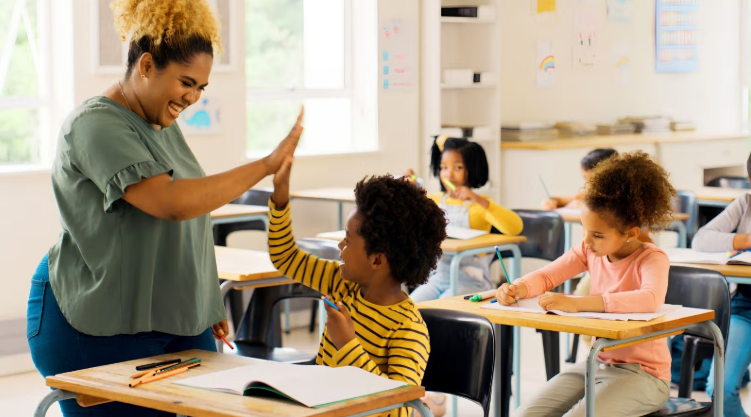
The class initially consisted of about 30 children. After the first two sessions, I realized it was difficult to hold everyone's attention at once, and the classroom facilitators suggested working in smaller groups. From then on, we divided the children into groups of six. I found that sitting with them, rather than standing in front of them, changed the dynamic quite a lot. The smaller groups allowed for more intimate conversations, made it easier to respond to individual questions and reactions, and seemed to create a greater sense of comfort, participation and connection.
Around the thirty-minute mark, I could often sense that they were done. Attention would begin to shift, children would start moving around, and they would look for ways to entertain themselves. I also realized that my assumptions as an adult did not always match how children approached an activity. I imagined the tree in a particular way, but children drew inside and outside of it. I imagined certain rituals happening consistently, only to realize that classrooms have their own rhythms and that plans do not always unfold neatly.
Perhaps my biggest takeaway was that some of the richest moments emerged when I followed the children instead of sticking to my plan. There was beauty in the things that surfaced unexpectedly. In many ways, the children were showing me that poetry was already there! My role was simply to make space for it.
Wetting Poet Muscles in Everyday Life
Observing, listening, wondering, imagining, and expressing are, in my view, the five pillars of poetry. If these are the pillars, then one way parents can help children exercise their poet muscles is by creating opportunities in everyday life to water these five pillars. By space, I do not necessarily mean a physical space. I mean space in between moments.
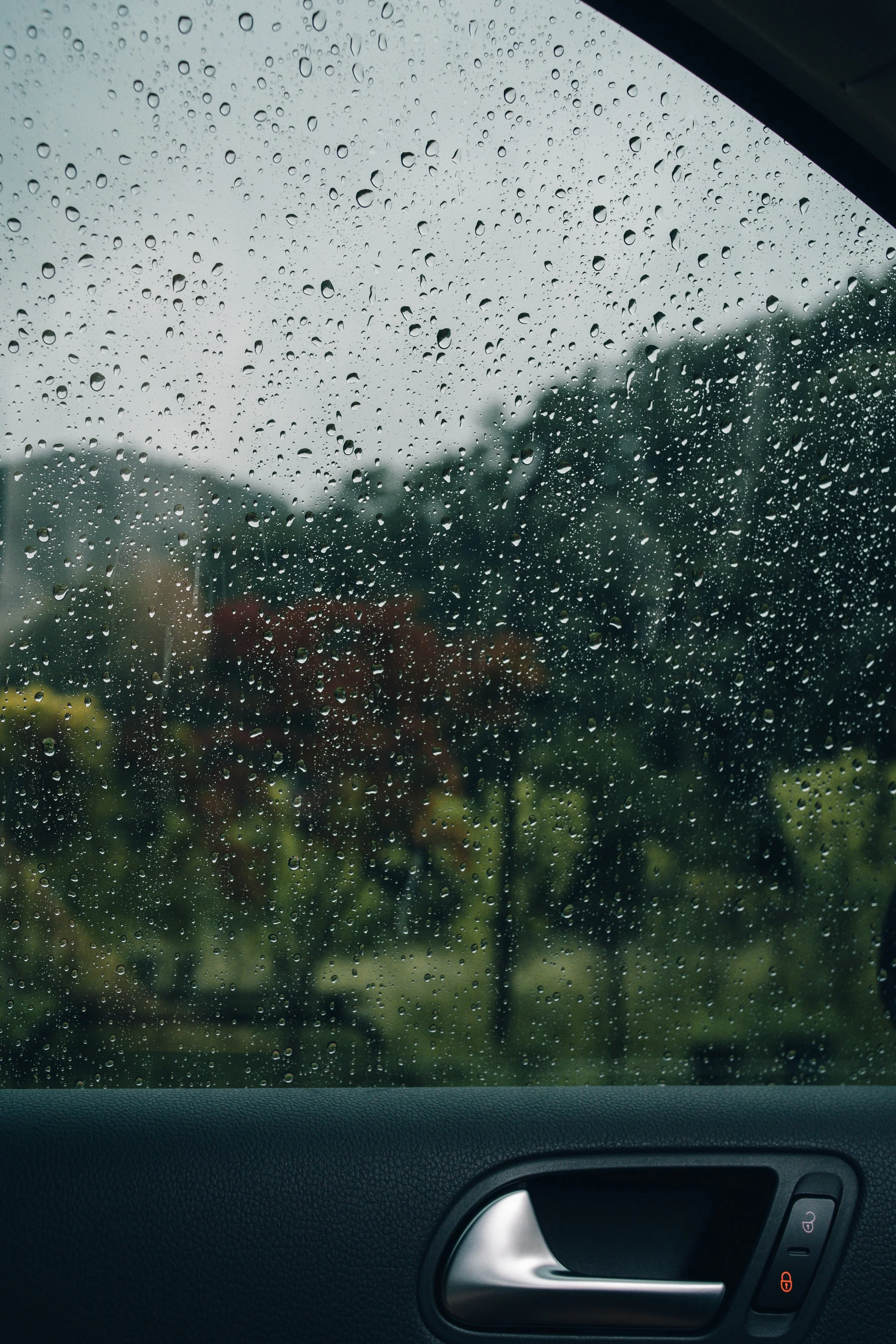
This should not require separate time to be carved out. It can happen during the drive from school to home, at the dining table, during bedtime, while painting, while playing a board game, or even while breakfast is being prepared. These moments do not have to be grand or carefully designed; they can be small and effortless.
Exercising the muscle of observing might look like noticing how many shades of green or blue exist outside the car window on the drive home, noticing the shape of clouds, or wondering why the sky looks different today than it did yesterday.
Exercising the muscle of listening might look like paying attention to all the sounds in the house when guests are over, noticing the sound of ice in a glass, laughter from another room, or the footsteps of someone walking upstairs.
Exercising the muscle of wondering might mean making room for questions. Why does the moon follow us? Where does a shadow go when the lights are off? Children naturally ask these questions. We need not rush to answer these wonderings. Rather it is best to allow these questions to stay in their heads for a while.
Exercising the muscle of imagining might mean drawing a plate of food from their imagination before lunch is served, inventing stories for neighbors, making up new animals, imagining what trees might say if they could speak, or dreaming up a world that does not yet exist.
Exercising the muscle of expressing might look like sharing what made them laugh that day, drawing how a song feels, acting out a story, creating silly rhymes, or finding new words for something they experienced.
Stepping back, here are my reflections. Poetry does not begin with writing poems. Instead, poetry begins with paying attention. It begins with noticing what others overlook, wondering about things we usually take for granted, imagining what does not yet exist, and expressing what is difficult to see. In these ways, children already are poets. Adults do not need to teach them how to become one. We just need to help keep those poet muscles alive by making room for them in the ordinary moments of life, of living, of liveliness, and, indeed, of our lifelines.