A Book that I Have Long Recommended—And Now, The Real Story

© Howard Gardner 2026
In my life, I’ve read a lot of books. Not sure how many…but when my wife and I moved some years ago from a house to an apartment, we gave away approximately 5,000 of them—and I am confident I’d read many of them.
More on that later.
Occasionally, I’m asked to recommend a book. I don’t find that an easy task—I skim too many books and have largely given up the reading of fiction in favor of looking through books related to my current research. But for many years, when asked, I’ve mentioned Mahatma Gandhi’s autobiography—often entitled My Experiments with Truth. I recommend that book for two reasons: it had a powerful effect on me when I read it, over sixty years ago, and I suspect that it’s less often mentioned than, say, To Kill a Mockingbird or The Seven Habits of Highly Effective People.
But what do I actually remember from the book? How accurate is my memory, and what, if any, are the “takeaways”?
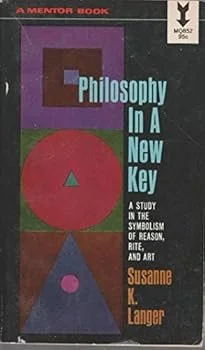
Before returning to those questions, I’ll cite a comparative case. A few years ago, I was asked to write about a scholarly book that influenced me. I immediately thought of Susanne Langer’s book Philosophy in a New Key. This set of reflections about artistic and other forms of human symbol-use is a book that I read even before I knew of Gandhi’s autobiography. It had as great an influence on my scholarly career as any that I can think of. But unlike Gandhi’s memoir, I kept returning to Langer’s book, re-reading parts of it, quoting from it, and indeed drawing on it in my teaching and research. And so, my testimony to the book was reasonably accurate and relevant. (See the blog I wrote on Langer’s book here.)
Not so for Gandhi’s autobiography! I probably had not looked at it for half a lifetime! And indeed, might never have thought about it again…
Except for four factors:
When I left an organization on whose board I had served, the directors gave me a wonderful gift: a signed first edition of Gandhi’s autobiography! I don’t collect books, but a quick search indicated that the book was worth at least $10,000.
When we moved to our new apartment, the Gandhi book was mistakenly part of the “giveaway” pile! In all likelihood, it has either been tossed aside, burnt, or donated to a person or a library with no idea of the monetary value of this old book.
In complete ignorance of this personal history, a visitor from India just gifted me a copy of the autobiography! It turns out that the book has a different title, a different cover, a different translation. There is a rich, varied, and complex saga of the publication, translations, and different titled and illustrated versions of what is still called, in popular jargon, the autobiography of Gandhi.
And so, out of curiosity, and in tribute to my 1965 self, I decided to re-read Gandhi’s autobiography.
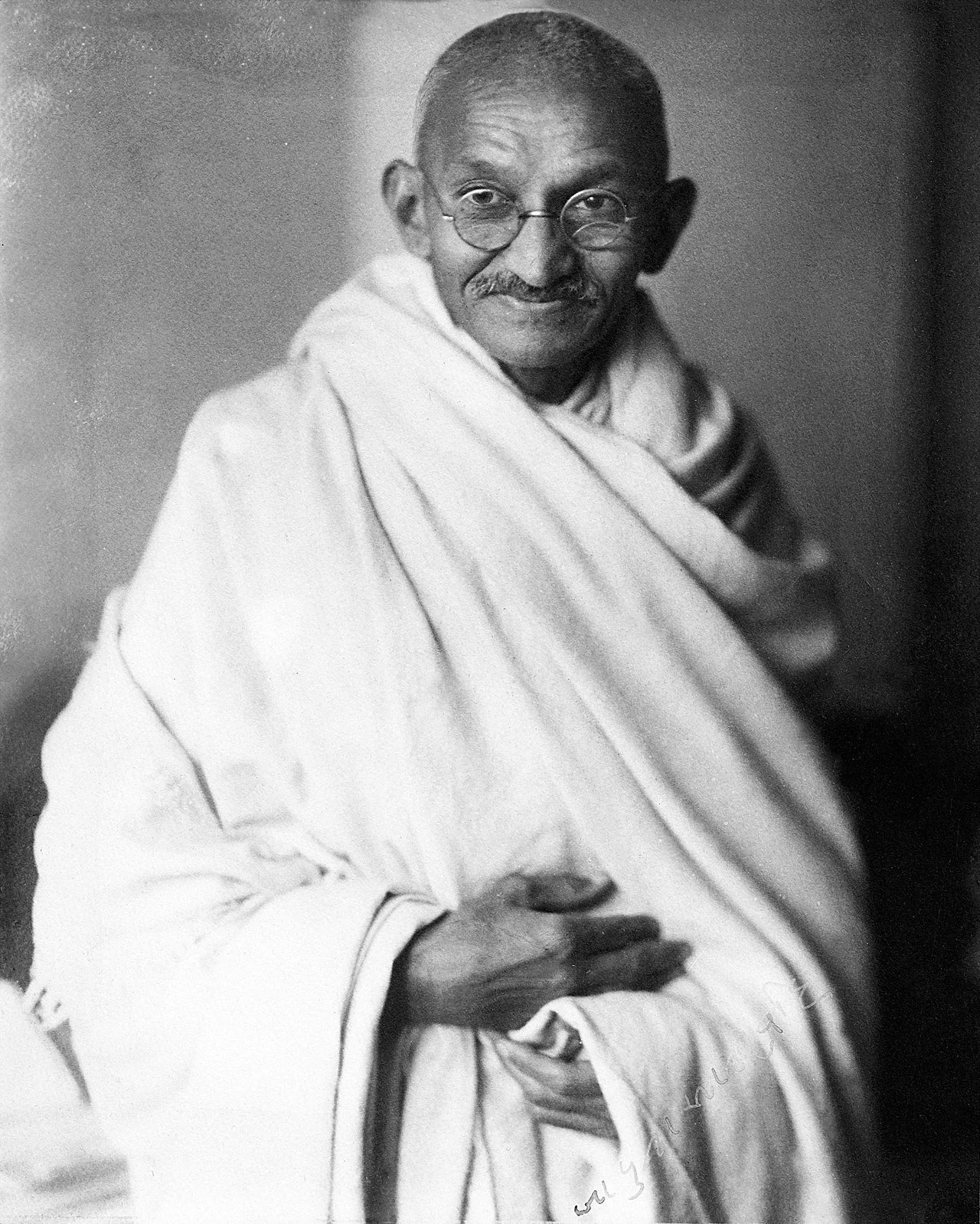
Mahatma Gandhi
I was in for a big surprise!
Not that the factual content was that different—the facts of his childhood, early marriage, training in England, rise to political awareness in South Africa, his return to India where he both organized a movement for independence and spent considerable time in and out of jails—where, indeed, he wrote his memoir. The memoir stops around 1925. In 1947, due in significant measures to Gandhi’s tactics and his inspirational leadership, India succeeded in achieving independence from the British Empire. The following year Gandhi was assassinated—not, ironically, by an individual of Muslim beliefs (which sometimes came into conflict with his activism), but rather by a fellow Hindu who felt that Gandhi was not being sufficiently faithful to their shared religion.
To my surprise: My knowledge of Gandhi’s life had been disrupted by succeeding events; rereading the book was a revelation for me.
I single out three contributing factors:
The 1982 movie Gandhi, starring Ben Kingsley and directed by Richard Attenborough—I have seen the movie several times…and it focuses precisely on the period and events described in the autobiography, (on which it presumably drew but also dramatized).
Writing and rewriting of world history over the last 75 years—Around 2000, Gandhi was often mentioned as the most important person in the 20th century. At the time, I read many of these tributes and arguments and doubtless picked up a lot of information that rewrote or reconfigured my memories from the actual memoir. Also, comparisons with political visionaries Nelson Mandela and Martin Luther King Jr. both enriched and clouded my conceptions of Gandhi.
Most important, at the time that I first became interested in Gandhi (1964-1965), I was a tutee of the Harvard professor and psychoanalyst Erik Erikson. During that very period, Erikson was writing a major work about Gandhi.
Eventually released in 1969, Gandhi’s Truth was widely reviewed, won a Pulitzer Prize, and became a standard reference for the facts—and also many of the interpretations—of Gandhi’s life.
Footnote: I don’t know whether it’s true or not, but Erikson used to tease me about having suggested a title for the book. Turns out that some years earlier, Erikson had written a book about the birth of Protestantism, entitled “Young Man Luther.” Erikson claimed that I had quipped “Middle Age Mahatma”—and just possibly this is true.
Back to the point of this blog. It’s of interest to learn about how researchers and writers reflect on their own experiences. But there’s a big difference between recollections that are relatively untarnished by recent events compared to those that date far back in time and where there have been interventions that sully or even uproot the initial impression—and that even unleash earlier repressions. It’s now clear to me that when referring to Gandhi’s autobiography, I cannot confidently say that I am referring to his book of 1925, as opposed to the movie of 1982, the hoopla around 2000, or especially, Erikson’s psychoanalytic analysis in 1969 of Gandhi’s strengths, weaknesses, and panoply of truths.
One surprising example: In his autobiography, Gandhi says a few things about the mind of the five-year-old child—for example, the capacity to acquire different languages. I suspect that initially that sentence had little, if any, effect on me. Now, however, as a developmental psychologist particularly interested in the mind of the five-year-old in the age of AI, that passage caught my attention and will likely remain with me.
Takeaway
It’s frequently interesting to learn which books—or poems or movies or plays—are valued, by whom, and for what reasons. And typically, those books are worth consulting. But don’t assume that the book that you choose to consult is the same book for you that it is for the recommender nor that the recommender’s evaluation has not itself changed with time. Don’t judge a book by its title, its cover, or its recommender. Make your own choice and reach your own decision!
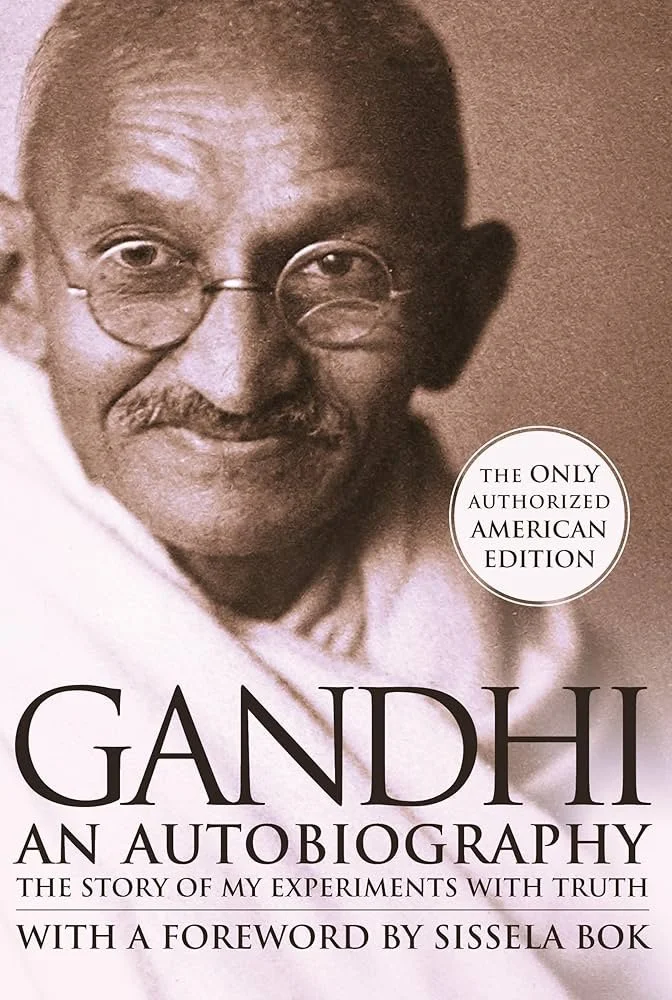
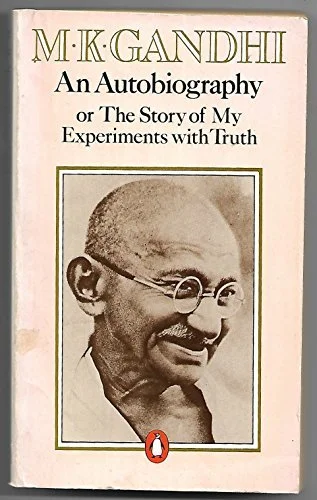
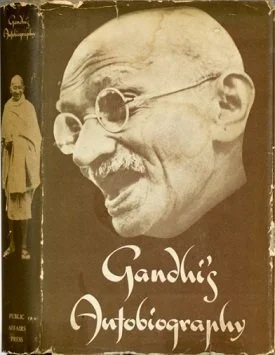
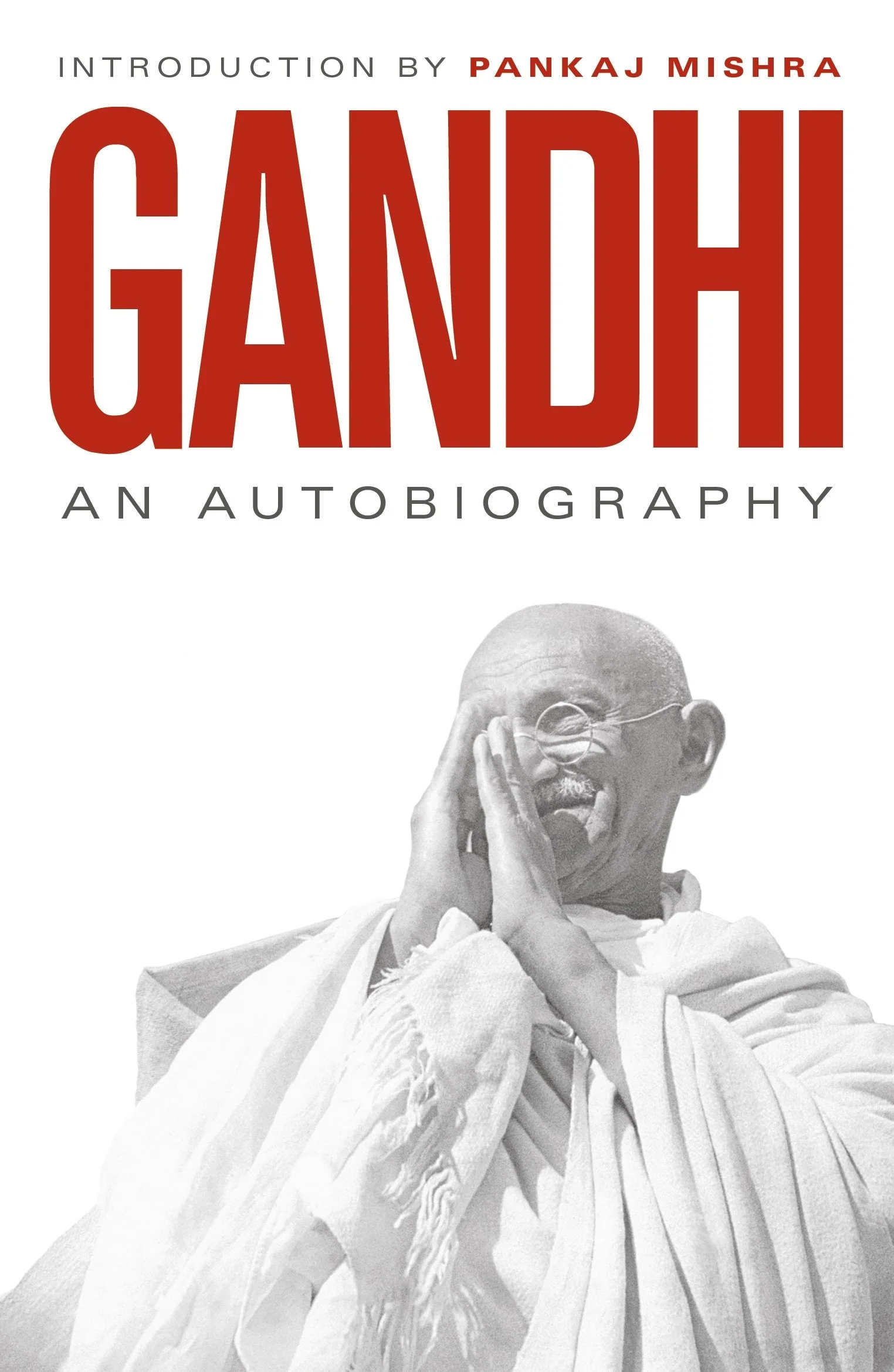
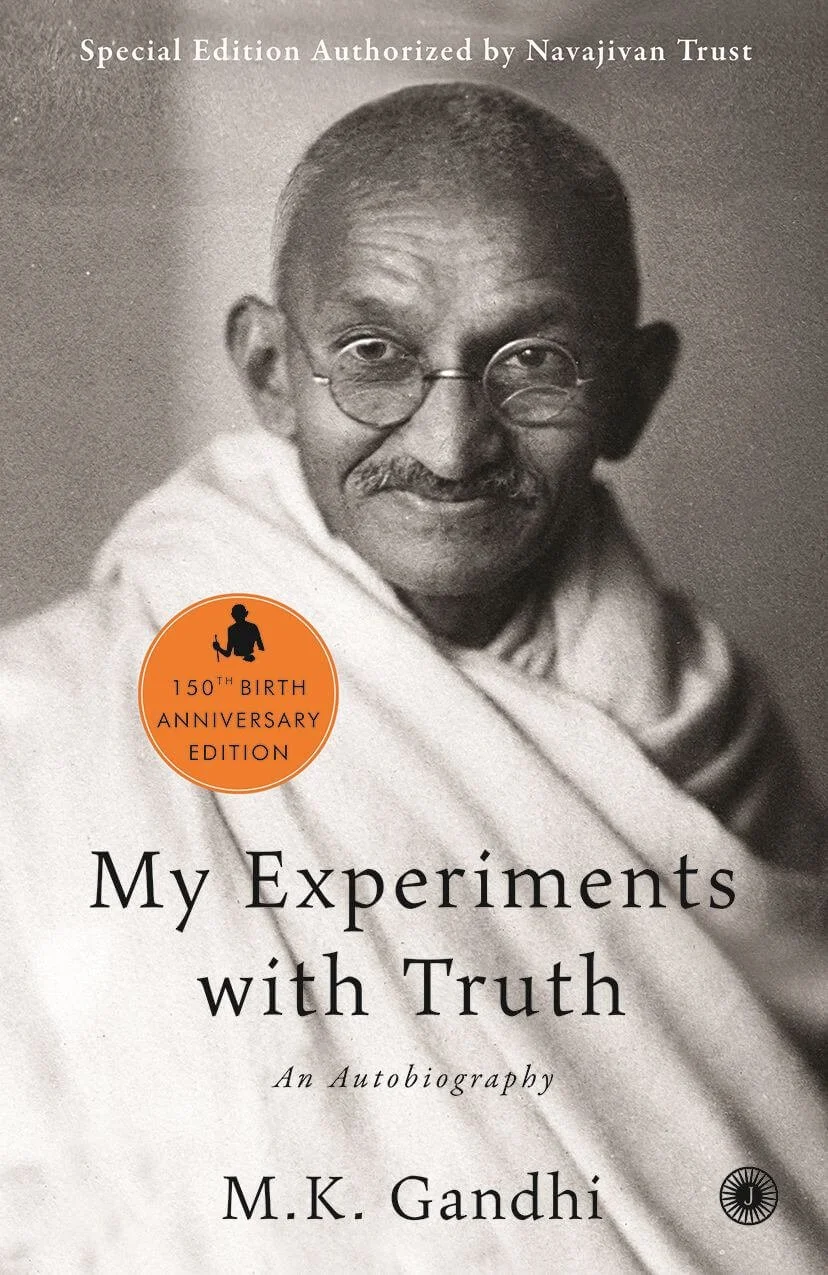
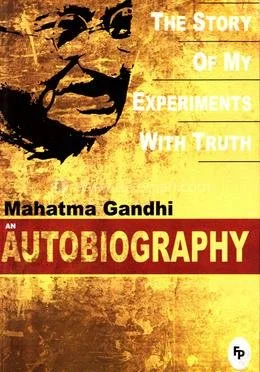
Examples of various editions and titles of Gandhi’s autobiography
ACKNOWLEDGMENTS
For their helpful comments on earlier drafts, I thank Kirsten McHugh, Annie Stachura, and Ellen Winner.
REFERENCES
Erikson, E.H. (1969). Gandhi’s Truth. Norton.
Gandhi, M. (1929). The Story of My Experiments with Truth. Navajivan.
Gandhi, M. (1983). Gandhi Autobiography: The Story of My Experiments with Truth. Dover.
Gandhi, M. (1993). Gandhi: An Autobiography: The Story of My Experiments with Truth. Beacon Press.
Gardner, H. (2023). Revisiting Susanne Langer's Philosophy in a New Key—Again. Common Knowledge, 29(2), 247-250. https://muse.jhu.edu/article/930957.
Langer, S. (1942). Philosophy in a New Key: A study in the symbolism of reason, rite, and art. Harvard University Press.
