A Missed Lesson in History
© Howard Gardner 2026
As part of a celebration of D-Day, the teacher of one of my grandchildren mentioned World War II. As an after-thought, the teacher added that World War II had been caused by World War I. My grandchild raised her hand and asked just how WWI had caused WWII. The teacher promptly responded: “You will learn about World War I next year.”
While one should not make too much of it, this crisp exchange is a textbook example of a missed pedagogical opportunity and the deficiencies of a prescribed curriculum, and an illustration of where AI agents can make an important—perhaps crucial—positive difference.
In fairness to the teacher, perhaps time was flying, or there was too much else to cover, or my grandchild was peppering the instructor with too many questions.
But think of what could have been accomplished with an AI-informed history agent!
So many promising entry points:
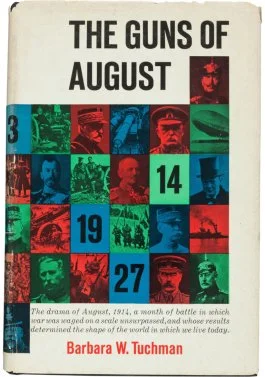
The Guns of August—As there had been no major international hostilities since the Napoleonic era, political and military leaders did not anticipate a sudden international armed conflict…let alone how such a confrontation could have been smoothly resolved. Historian Barbara Tuchman seeks to explain the rapid and uncontrollable eruption of hostilities in her prize-winning account with this title;
The build-up of distant colonies by European powers and the vying for additional territory around the globe;
The universal expectation—assumption—that any conflict would be brief and soldiers would be home by the Christmas holiday;
Instead, four years of trench warfare, with millions of casualties;
Mostly fought in Western Europe but with reverberations in other parts of Europe and North Africa;
America’s declared desire to stay out of foreign conflicts;
The reasons why the United States ultimately went to war, and how this country’s powerful intervention led rather quickly to an armistice in 11/1918;
The Treaty of Versailles, how it was handled and mishandled;
Germany’s resultant bankruptcy and runaway inflation;
The short-lived Weimar republic and a German population radically split in terms of policy, priorities, and preferred lifestyle;
Adolf Hitler’s appeal to the masses (as well as the striking appeal of other fascist leaders, like Mussolini and Franco);
The missed opportunity in 1938 to avoid war in Czechoslovakia—British PM Neville Chamberlain self-deceptive promise of “peace in our time”
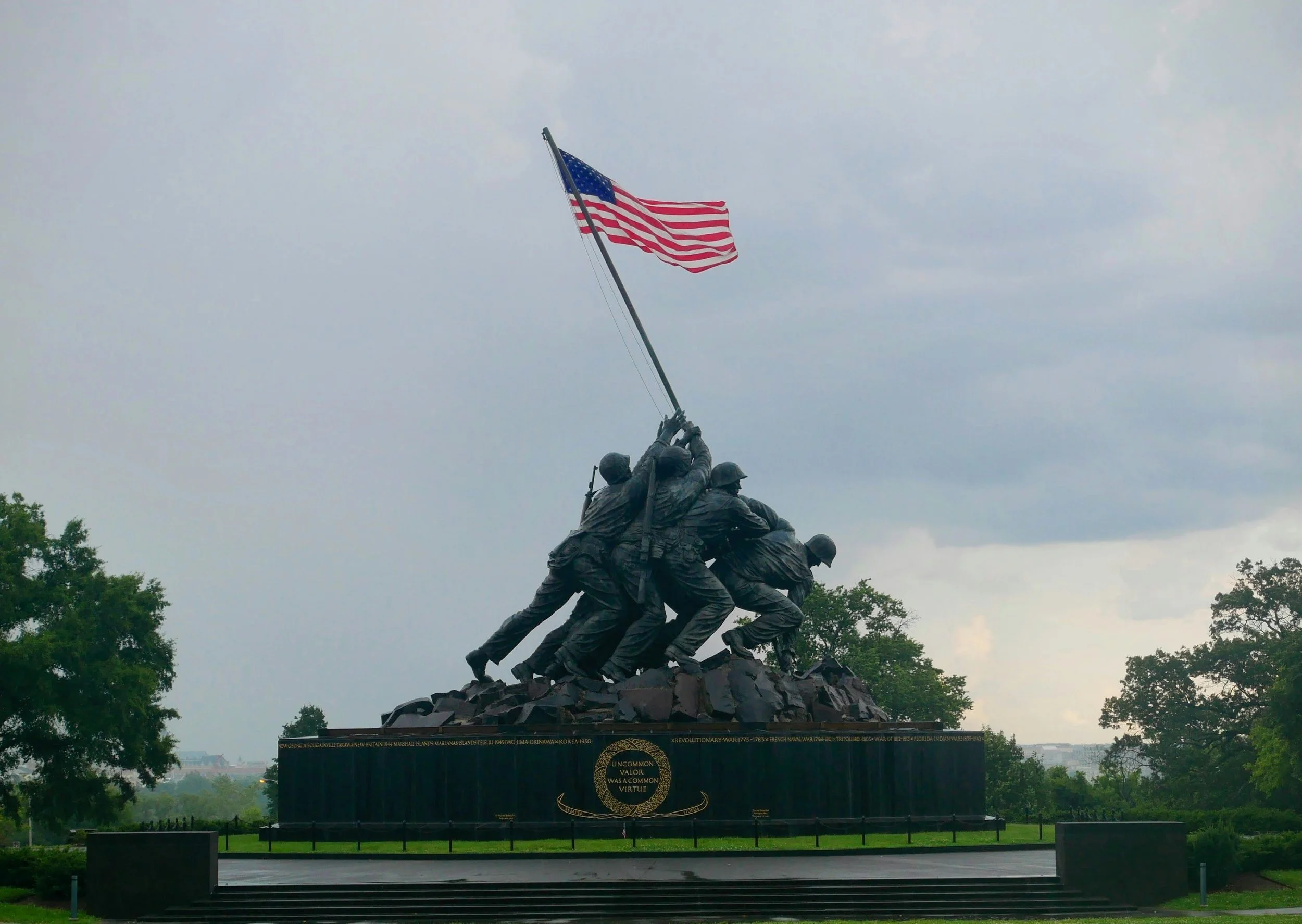
And going beyond the question about the relationship(s) between WWI and WWII, here are some broader or deeper issues that might occur to thoughtful students:
What is war? What causes wars? What stops them? What makes something not a war? What makes a conflict expand into a World War? Will we have another World War? How might it start and how might it end in an era of drones, nuclear weapons, and powerful AI systems? Which wars are taking place at this time? (Far more than most of us realize!)
How do 1914, 1939 and 1941 compare to other dates like 1956 (the unexpected fragility of the Iron Curtain); 1989 (the end of the Soviet Union); 2001 (the destruction of the Twin Towers in Manhattan); and 2026 (conflicts in the Middle East, Ukraine, Cuba, Somalia, and perhaps elsewhere)?
The Role of the United Nations—its origins, its governance structure, its power and its limitations;
Finally—and most grandly: What is history? When did it begin as a serious human undertaking—beyond stories passed on from one generation to the next? Who writes it, who decides, what makes us think differently about history, including our national, local and personal histories?
Promising entry points which human teachers, but notably AI as well, can respond. AI can personalize much more so than most teachers, and as far as can be determined, never seems to tire!
As I envision it, when next with a device at her fingertips, my granddaughter—and, of course, any of her classmates or friends—could have accessed an entry on World Wars and the putative relation between the first and second world wars. Or she could have raised a more specific point—when did WWI begin and end? Or she could have raised a question about how the World Wars affected her own family—spread out across Europe?
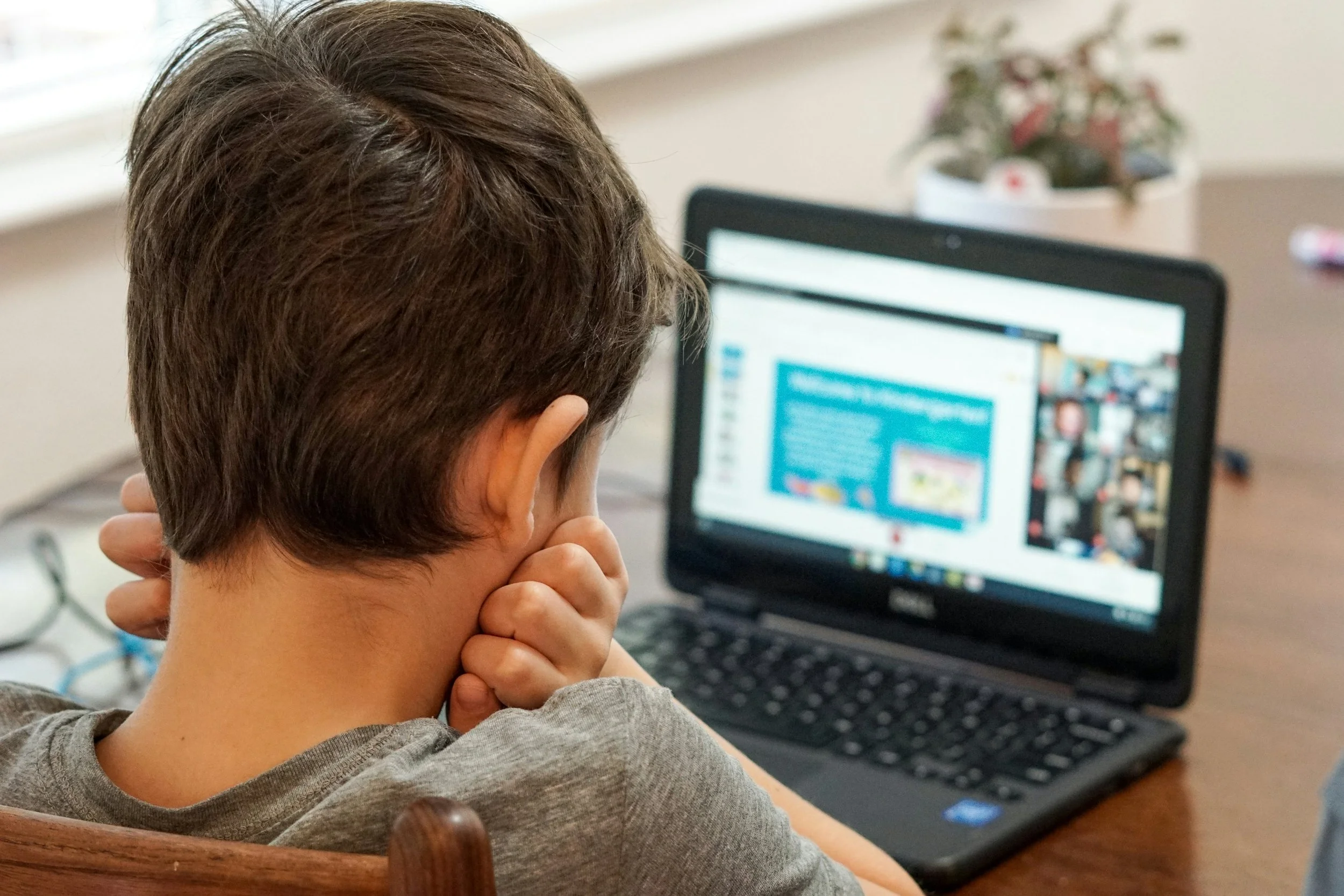
And then she could have pursued these queries and issues on her own, with her classmates and teachers, by watching a movie (like All Quiet on the Western Front) or reading a book (like The Guns of August.)
Of course, ideally, one has both teachers on the alert and a well-designed and responsive AI system. But simply to dismiss or to bracket AI because of its supposed or genuine limitations, as many of my contemporaries have done, is foolish and short-sighted. Good teaching has always been enhanced by well-informed materials—properly accessed, deployed, drawn upon, and perhaps, in the spirit of human creativity, stimulated into new and unexpected directions.
And nowadays, deeper knowledge about the costs of World Wars might possibly help to reduce the possibility of yet another—and perhaps final—World War!
References
Tuchman, B. W. (2004). The guns of August. Presidio Press.
Acknowledgements
For their helpful comments on earlier drafts, I thank Kirsten McHugh, Annie Stachura, and Ellen Winner.
